


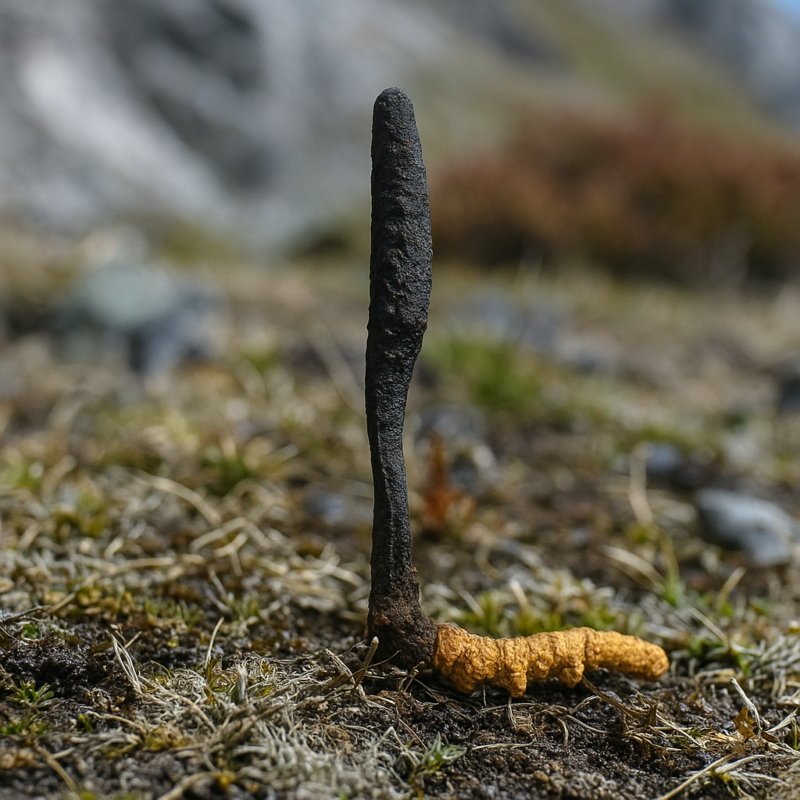
Yarsagumba: The Caterpillar Fungus of the Himalayas

arsagumba, more commonly spelled yarsagumba or yartsa gunbu, is one of the most unusual substances used in traditional Asian medicine. ...
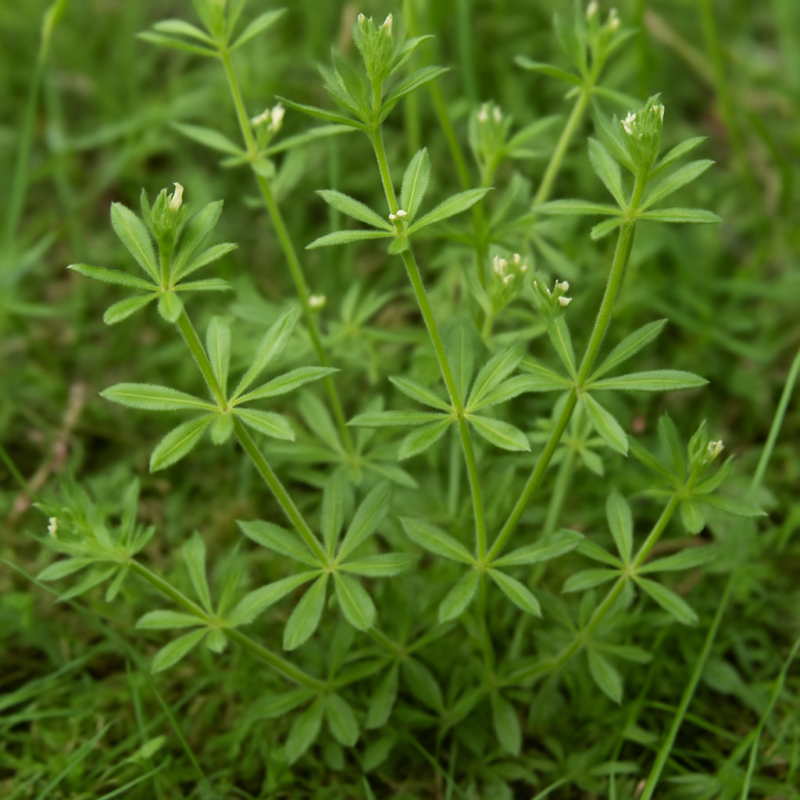
Cleavers: The Traditional Spring Herb of the Lymphatic System
Cleavers (Galium aparine) is a familiar annual herb found throughout much of Europe, Asia, and North America. It thrives along hedgerow...
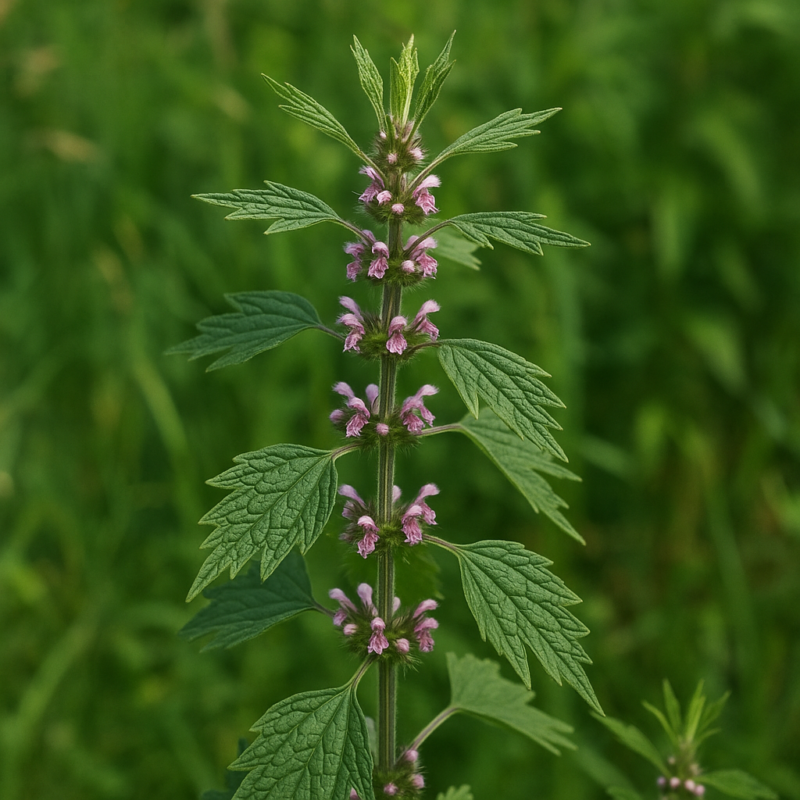
Motherwort: Traditional Herb of the Heart and Women’s Health
Motherwort (Leonurus cardiaca) is a perennial herb in the mint family, Lamiaceae, native to parts of Europe and Asia and now naturalize...
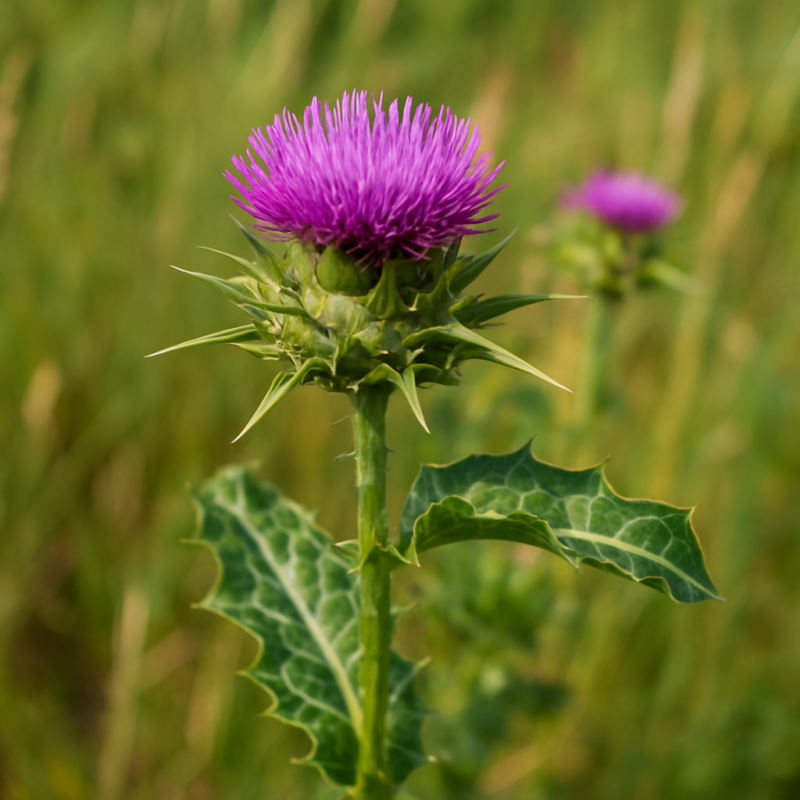
Milk Thistle: The Traditional Liver Herb
Milk thistle (Silybum marianum) is a striking member of the daisy family, recognized by its glossy green leaves marked with distinctive...
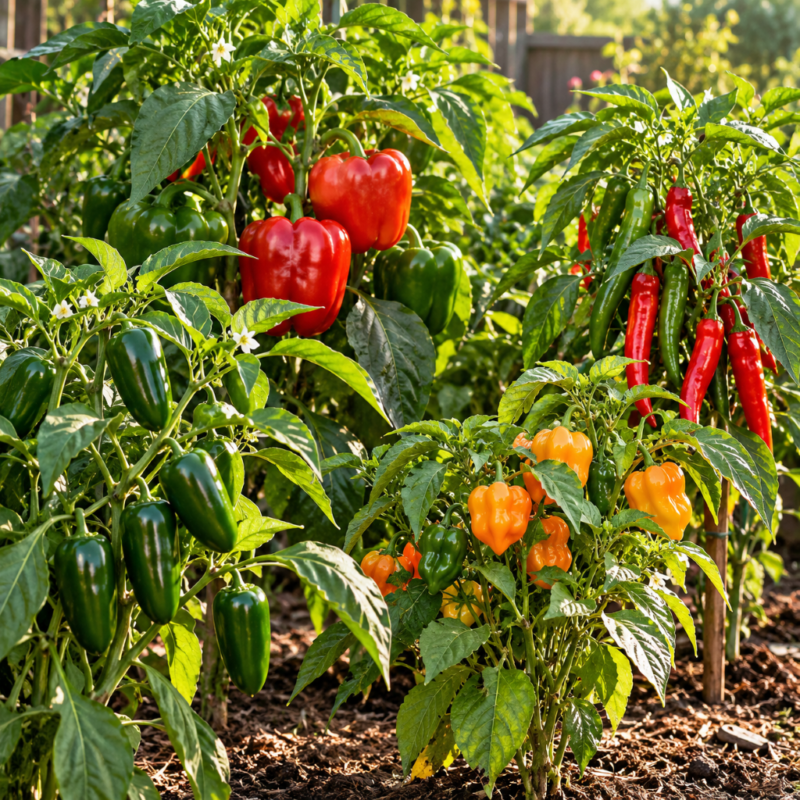
Peppers Are Perennials: How to Save This Year’s Plants for Next Season
For most gardeners, pepper plants have always been treated like tomatoes: plant them in spring, harvest through summer and fall, and le...

Goat’s Rue – The Old Pasture Herb
Goat's rue, known botanically as Galega officinalis, is a perennial herb native to Europe and western Asia. It belongs to the legume fa...

Arrowroot – The Gentle Root of Tropical Gardens
Arrowroot, known botanically as Maranta arundinacea, is a tropical perennial valued for its starchy underground rhizomes. The plant pro...

Lemongrass – The Fragrant Herb of Warm Climates
Lemongrass, known botanically as Cymbopogon citratus, is a tropical perennial grass prized for its fresh citrus aroma and wide range of...

Fennel – The Sweet Herb of Ancient Gardens
Fennel, known botanically as Foeniculum vulgare, is an aromatic perennial herb recognized for its feathery green foliage, bright yellow...

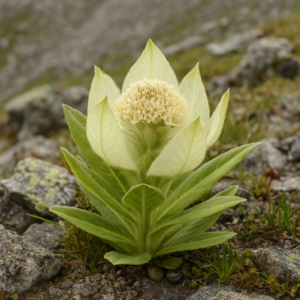
Snow Lotus (Saussurea species) is a remarkable group of high-altitude flowering plants native to the mountains of Central Asia, particularly the Himalayas and Tibetan Plateau. Growing in harsh environments where cold temperatures, intense sunlight, rocky soils, and short growing seasons limit most vegetation, snow lotus has developed a distinctive place in the traditional medicine and folklore of the people who inhabit these mountainous regions.
Preparations made from the plant have historically been associated with joint and muscle discomfort, circulation, menstrual complaints, physical exhaustion, and maintaining warmth and vitality in cold environments. Traditional preparations have included teas, decoctions, powders, and alcohol-based extracts.
Snow lotus contains naturally occurring flavonoids and other plant compounds that have attracted modern scientific interest. Several Saussurea species have been investigated for antioxidant, anti-inflammatory, and other biological activities, although this research does not establish medical effectiveness in humans. The name snow lotus also refers to several different Saussurea species rather than one single plant, making proper identification important. Because these slow-growing alpine plants have become commercially valuable, some wild populations have also faced increasing harvesting pressure.